Residual-current device keeps tripping
Updated 2026-10-10
The residual-current device (ממסר פחת) tripped and the home, or part of it, has no power? Most of the time the cause is a faulty appliance or moisture, and sometimes damaged wiring or an old device. In D-Bell you book an electrician to find the cause, and you get a quote before you choose.
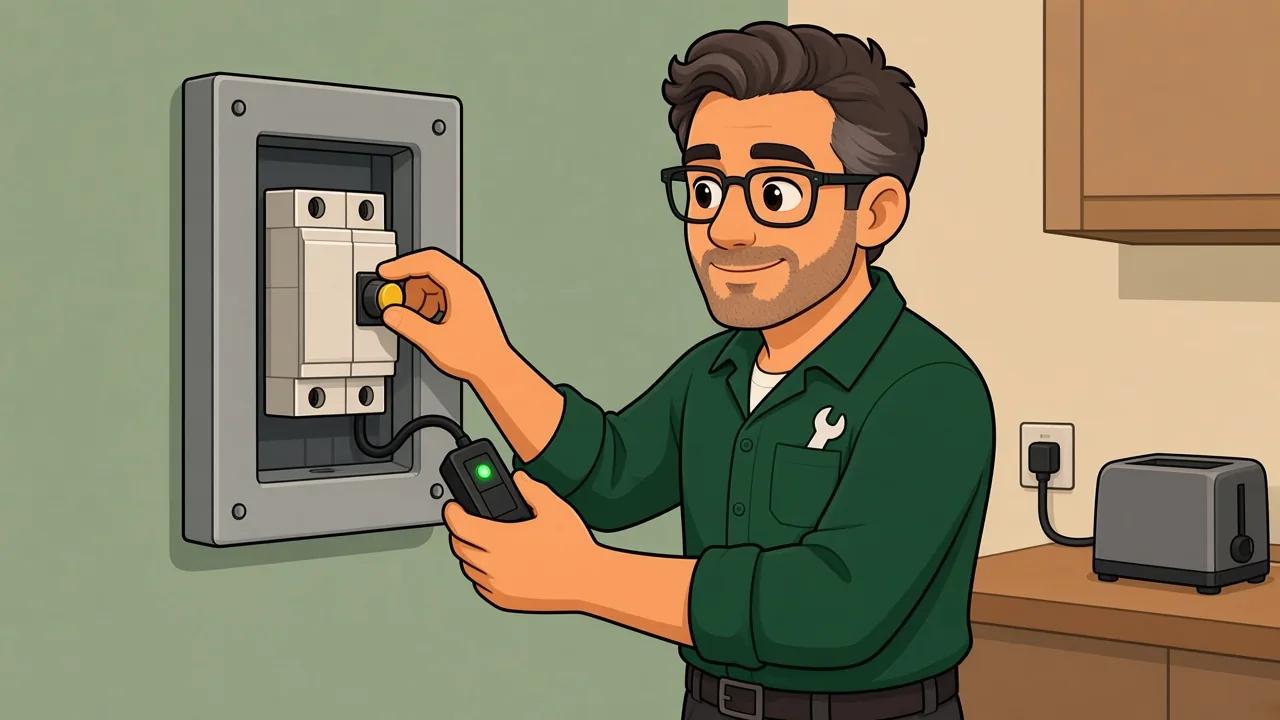
Why does it trip?
The device compares the current going into a circuit with the current coming back. When some current escapes, for example through an appliance with damaged insulation, a wet balcony outlet, or a cable damaged inside the wall, it cuts the power within a fraction of a second. That is exactly its job: it protects against electric shock and fire.
Common causes at home are an electric water heater with a faulty element, a washing machine or dishwasher, an outdoor outlet that got wet in the rain, and a damaged extension cord or charger. If it trips after rain, moisture in an outdoor outlet or box is the first suspect.
What should I do when it trips?
- Switch every circuit breaker off at the panel, then reset the residual-current device.
- Switch the breakers back on one at a time. The one that trips the device shows which circuit has the fault.
- On that circuit, unplug every appliance and plug them back one at a time to see whether one of them trips it.
- If it trips with nothing plugged in, the fault is probably in the wiring or the device itself. Leave that circuit off and book an electrician.
- Do not open the panel and do not try to bypass the device. Without it there is no shock protection.
How much does a repair or replacement cost?
A fault diagnosis usually costs ILS 290 to 580, and an inspection visit ILS 250 to 390. Replacing a residual-current device or the main breaker costs ILS 340 to 590, and the device itself is usually extra. If the fault is in an appliance rather than the home wiring, the electrician will tell you, and fixing the appliance is a job for its own technician. These are average D-Bell catalog ranges.
When should it be replaced?
When it trips with no load at all, when it does not trip when you press its test button, or when an old panel has no such protection. The test button, usually marked T, exists for exactly this: pressing it should trip the device. Press it now and then, and if nothing happens, the device is not protecting you and it is time to call an electrician.
How is it done properly?
- Disconnect appliances and circuits one by one to find what trips it.
- Test insulation on the suspect circuits with a meter.
- Test the device itself, with its test button and with an instrument.
- Fix the cause, such as moisture, a damaged connection, or a faulty appliance, rather than only swapping the device.
- Never bypass the device or replace it with a less sensitive one just to stop the tripping.
How it works
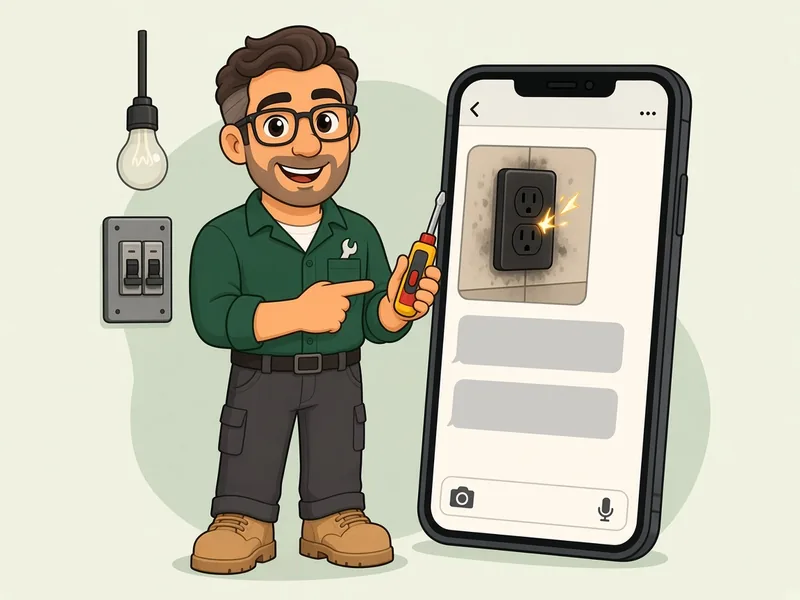
Say what is not working
A burnt outlet, a tripping breaker, or a light to install? Describe it in the app, photograph the outlet or the panel, and pick a time.
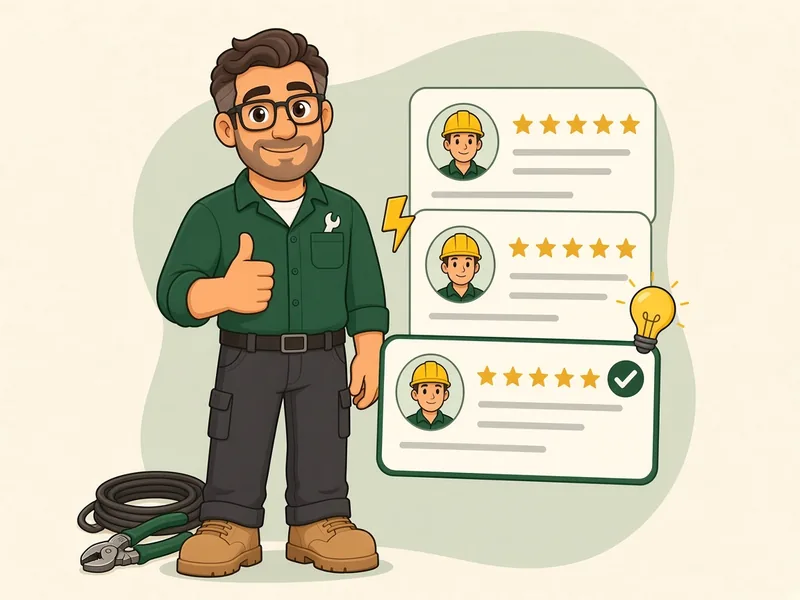
Choose an electrician
Verified electricians send quotes. See the amount, rating and past customer reviews, then choose.
The lights are back
Track the arrival on your phone, make sure everything works, and approve the job. You pay by card in the app, then leave a review.